If you’ve ever tried to rent a new apartment and got denied because of an old eviction, you’re not alone. An eviction on your record can follow you for up to seven years, making it hard to find housing—even if your situation has completely changed.
The good news? Eviction removal is possible, and in this post, I’ll walk you through the different ways you can tackle it—whether you’re doing it yourself or getting professional help.
First, What Is an Eviction Record?
There are two types of eviction records:
- Court-Filed Evictions: These show up in public court records and may also be reported to credit bureaus.
- Tenant Screening Evictions: These show up on your rental history with consumer reporting agencies like TransUnion, Experian RentBureau, or CoreLogic—even if no court eviction was filed.
Many landlords check both, so it’s important to clean up both your credit report and your rental history.
Option 1: Dispute the Eviction Yourself (DIY Method)
This method is completely legal and free—you just need time, organization, and the right letters.
Here’s how it works:
- Request your tenant screening reports from agencies like:
- Experian RentBureau
- TransUnion SmartMove
- CoreLogic
- RealPage
(Full list included in our DIY Eviction Removal Kit)
- Identify which reports show your eviction.
- Send a formal dispute letter requesting verification of the record.
If they can’t verify it, they are required to remove it under the Fair Credit Reporting Act (FCRA). - If removed, send a follow-up letter to the 3 main credit bureaus to clear your credit history.
🧾 Don’t want to write the letters from scratch?
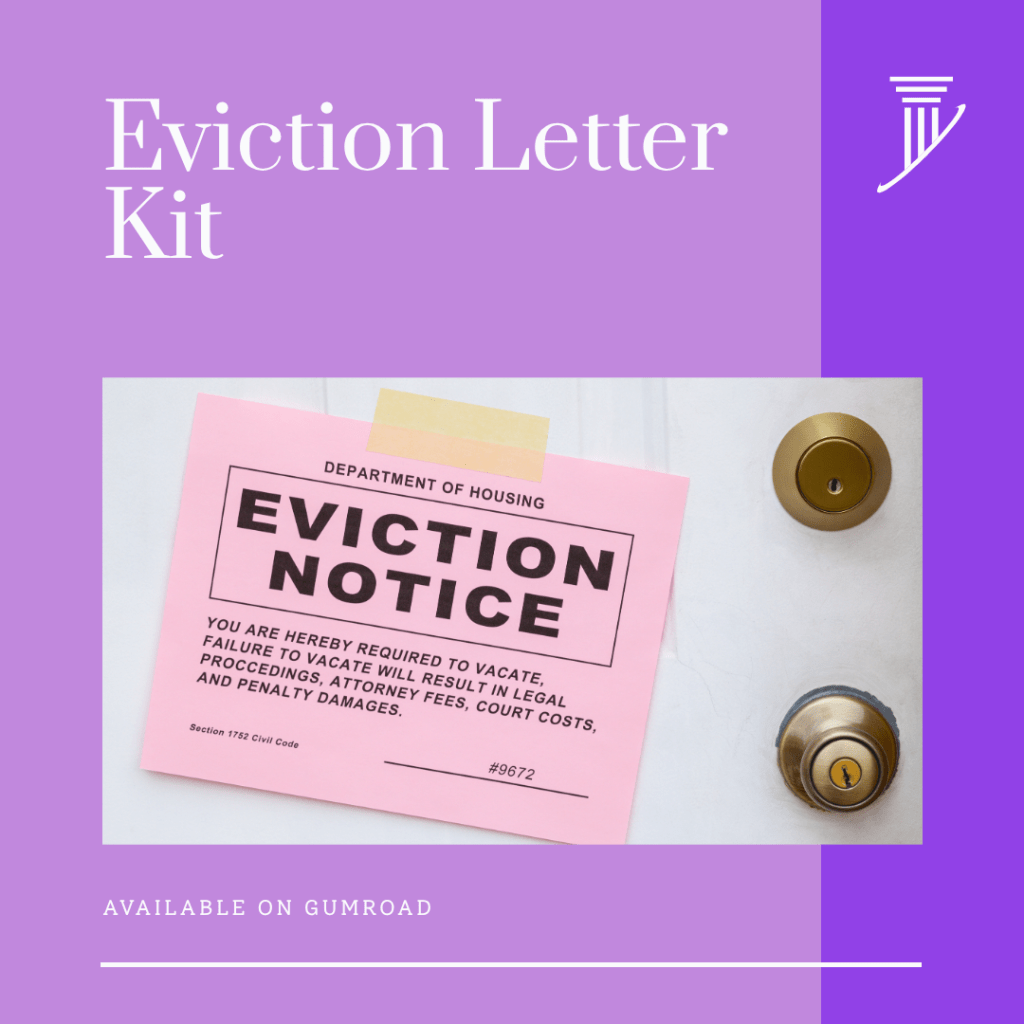
👉 Grab our pre-written Eviction Removal Letter Kit here.
Option 2: Work with a Credit Repair Specialist
If you don’t have time or feel overwhelmed by paperwork, a credit repair company or legal service can help.
They typically:
- Pull your rental and credit reports
- Send disputes on your behalf
- Follow up with bureaus and agencies
- Charge a fee (flat or monthly)
🚨 Warning: Be cautious of companies promising overnight results or guaranteed removals. Always research and check reviews before paying.
Option 3: File for Expungement or Seal Your Record (Court Evictions)
If your eviction went through the court system and was:
- Dismissed
- Settled
- Caused by hardship (like COVID-19)
You may be able to petition the court to expunge or seal the record. This is a legal process that varies by state and may require:
- Court filing fees
- Documentation
- Possibly an attorney
Once approved, the eviction is hidden or erased from public record.
Which Option Is Best?
| Situation | Best Option |
|---|---|
| You have time + want to save money | DIY Eviction Removal Kit |
| You’re too busy or don’t understand credit laws | Credit Repair Service |
| Your eviction was dismissed or unfair | Legal Expungement/Sealing |
Final Tips for Success
- Always include a copy of your ID when mailing dispute letters
- Never sign letters unless required
- Send everything via certified mail with tracking
- Keep all records and follow up regularly
- Be patient—it can take 30 to 90 days for removals
Ready to Start Cleaning Your Record?
I created a step-by-step Eviction Removal Letter Kit to make this process easier for people like you. It includes pre-written letters, contact info, and mailing instructions to guide you every step of the way.
👉 Click here to download your DIY Eviction Removal Kit now.
Have questions? Drop them in the comments or reach out directly. Everyone deserves a second chance—and that includes finding a safe place to call home.
 Remote Blossom Co.